Quick answer: An ISO internal audit is a review your own organization carries out to check whether its management system meets the ISO standard’s requirements and is working in practice — before the external certification audit. It’s a mandatory part of every ISO standard, it catches problems early and it’s one of the best ways to make sure your certification audit goes smoothly.
Of all the steps on the road to certification, the ISO internal audit is the one businesses understand least — and it’s also one of the most useful. Far from being a formality, a good internal audit is your chance to find and fix issues on your own terms, before an external auditor does it for you. This guide explains the ISO internal audit in plain language.
What is an ISO internal audit?
An ISO internal audit is a structured, independent check of your management system, carried out by your own organization (or a consultant on your behalf). Its job is to confirm two things: that your system meets the requirements of your chosen ISO standard and that your team is actually following it in day-to-day practice. Every major ISO standard — published by the International Organization for Standardization — requires internal audits as a condition of certification.
In simple terms: an ISO internal audit is you checking your own homework before the teacher marks it.
Why is an ISO internal audit required?
Internal audits aren’t optional box-ticking — they exist for good reasons:
- They’re mandatory. Every ISO management-system standard requires internal audits to be conducted.
- They catch problems early. Finding a gap yourself is far better than an external auditor finding it.
- They prove the system works. Audit records are evidence your management system is genuinely operating.
- They drive improvement. The findings feed corrective actions and management review.
- They prepare you for certification. A good internal audit makes the certification audit far smoother.
How to conduct an ISO internal audit: step by step
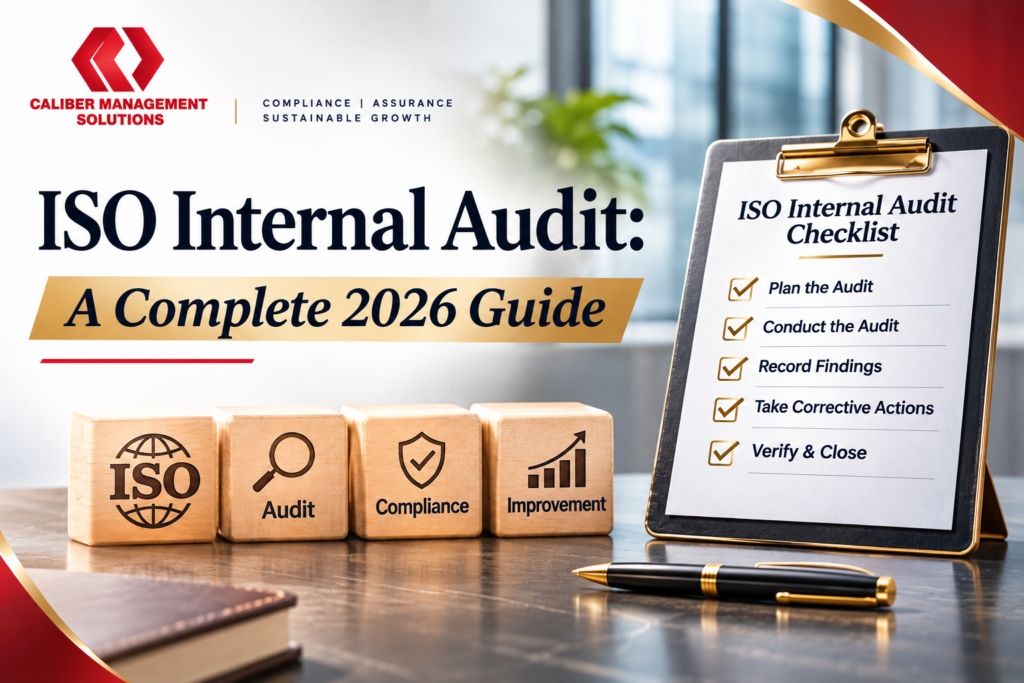
A straightforward ISO internal audit follows these stages:
- Plan the audit. Decide the scope, which processes to review and the schedule.
- Choose independent auditors. Auditors shouldn’t audit their own work — independence keeps it honest.
- Review against the standard. Check documents, records and actual practice against the requirements.
- Record findings. Note conformities, non-conformities and opportunities for improvement.
- Raise corrective actions. For each issue, agree what will be fixed and by when.
- Report and follow up. Share the results, feed them into management review and verify fixes.
The goal isn’t to “pass” — it’s to find real issues while you still have time to fix them.
Internal audit vs certification audit: what’s the difference?
People often confuse the two. An ISO internal audit is carried out by your own organization, before certification, to check and improve your system. The certification audit is carried out by an independent, accredited certification body and is what actually leads to your certificate. The internal audit is practice and preparation; the certification audit is the real exam. For the full picture, see our guide on how to get ISO certification in Guwahati.
You don’t have to do it alone
Many businesses — especially smaller ones — don’t have trained internal auditors on staff and that’s completely normal. A consultant can conduct your ISO internal audit for you or train someone on your team to do it, so the process is both independent and credible. If you’re preparing for certification, our ISO certification in Guwahati service includes internal audit support.
Key takeaways
- An ISO internal audit checks your system against the standard before the certification audit.
- It’s mandatory for every ISO standard and catches problems early.
- It follows a clear cycle: plan, audit independently, record, correct and follow up.
- It’s practice for certification — a strong internal audit makes the real audit smoother.
Get internal audit support for your ISO certification
A well-run ISO internal audit is often the difference between a smooth certification and a stressful one. At Caliber Management Solutions, we conduct internal audits and train your team across Assam and the Northeast, so you walk into your certification audit prepared and confident. Explore our ISO certification in Guwahati service or call +91 87249 39179 for a free consultation.
Frequently asked questions
What is an ISO internal audit? It’s a structured check of your management system, carried out by your own organization, to confirm it meets the ISO standard and is working in practice — before the external certification audit.
Is an internal audit mandatory for ISO certification? Yes. Every ISO management-system standard requires internal audits to be conducted as a condition of certification.
Who can conduct an ISO internal audit? Anyone competent and independent of the area being audited — a trained team member or an external consultant. Auditors should not audit their own work.
What is the difference between an internal audit and a certification audit? An internal audit is done by your own organization to prepare and improve; the certification audit is done by an accredited external body and leads to your certificate.
How often should internal audits be done? At planned intervals — typically at least once a year and before your certification or surveillance audits.